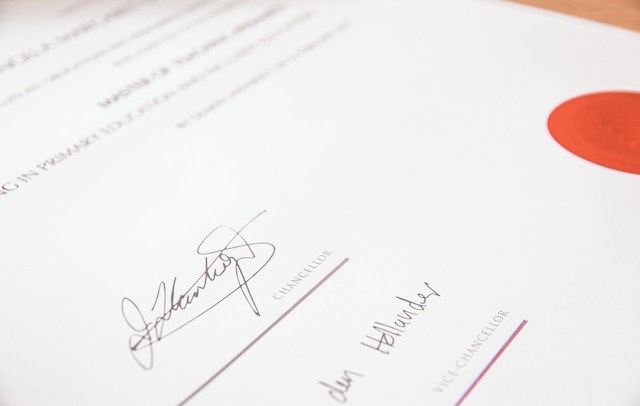
A roadworthy certificate will add more value to the used car since many people consider it to be an indicator of its good condition although, of course, this certificate gives much less detailed information. Knowledge of what the certificate consists of will help to prevent surprises about expenses for repairing your future car.

What Does the Certificate Really Say?
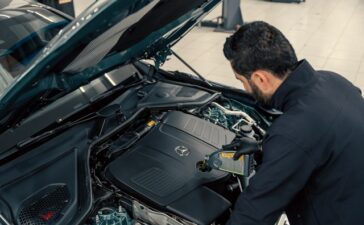
In Victoria, a roadworthiness certificate is applicable to vehicles with a mass up to 4.5 tonnes for RWC Hoppers Crossing. This document can be issued only by a licensed vehicle tester from an approved facility. The check determines whether the vehicle satisfies manufacturer specifications; there is no excessive wear or deterioration and no unsafe modifications have been made to it.
It does not include the mechanical reliability of the vehicle, overall vehicle condition, or exterior appearance. Even an old engine or damaged paint on the car will not prevent passing the test because the certificate guarantees only its safety condition at the moment of issuing.
The roadworthy certificate must be issued when a car is sold or re-registered. Also, it can be required to cancel the defect notice. The certificate is valid for 30 days starting from the date of issuing.
The Buyer’s Take on Things
Victorian buyers need to be on the lookout for vehicle listings that don’t come with a current roadworthy certificate, and even when one is, you should take it with a grain of salt. It’s not a guarantee the car has been well looked after or that it’s good value for money.
A vehicle report can give you more information than a certificate can. It uses electronic records of roadworthy tests since 2018 to show you any problems that have been flagged and compare the recorded odometer readings with the current one. Just bear in mind that if the certificate was issued on paper before they started doing electronic records, the history might be patchy for older vehicles.
A good old-fashioned walk-around inspection is also a good idea. Keep an eye out for tyres that don’t match, fresh paint overspray and any weird fluid leaks under the engine. Get the service records and take it for a spin on some different road surfaces, like some rough roads and a bit of highway.
What if a Car Fails?
Just because a car doesn’t pass a roadworthy inspection doesn’t mean it’s a write-off. The inspector will give you a report that tells you what needs fixing and you’ve got 14 days to get it done. If you don’t get it done in time, you’ve got to get it re-inspected and pay the full fee again.
There are some common things that tend to cause cars to fail, like worn-out tyres, bad brakes, dodgy lights, suspension problems, fluid leaks and worn-out wipers. Some of these things you can even check yourself with a torch and a few minutes of looking around.
Getting a roadworthy inspection done before you put the car up for sale can save you a world of trouble down the line. If you find out there are problems after you’ve already sold it, you’re likely to have to slash the price. Get an inspection quote and ask the testing station what they’re going to look at so you can avoid any nasty surprises.
Practical things to keep in mind:
- Make sure the certificate isn’t older than 30 days.
- Get a vehicle report before you hand over any cash.
- Compare the current odometer reading with the previous ones on record.
- Keep a copy of that rejection report handy.

Why Roadworthiness Matters Beyond the Sale?
Roadworthiness is a big deal when it comes to road safety, and a recent dip in road deaths shows it’s working. Even though a roadworthy certificate can’t stop people from driving like maniacs, it can at least identify some of the safety problems you might have, like worn-out tyres or failing brakes.
Between driver behaviour, road conditions and vehicle safety, there are all sorts of things that can contribute to accidents, but a roadworthy certificate can at least help sort out some of the vehicle safety issues. Every time a used car changes hands is another chance to catch something safety-critical before it causes a problem, especially in wet conditions.
For sellers, a roadworthy certificate can look pretty good to potential buyers, but for buyers, it’s just the beginning of the assessment. You still need to look at maintenance records, vehicle history and the car’s condition too.