The pop. The immediate giving way. The knee that will not hold weight on the next stride. Anyone who has ruptured their anterior cruciate ligament knows those seconds precisely. What follows is less clear and considerably more important: a sequence of imaging appointments, specialist consultations, and genuine decisions about whether to operate, which graft to use, how long to wait, and what the rehabilitation will honestly demand. This piece is for anyone somewhere in that process who wants to understand what ACL reconstruction in Melbourne actually involves before committing to it.
Why the Ligament Cannot Simply Heal?
The ACL is a structure within the knee joint that functions in rotational stability and acts to prevent anterior translation of the tibia relative to the femur while cutting, landing, and pivoting. The internal positioning of the ligament means that it does not receive the vascular input necessary for the creation of scar tissue within soft tissue injuries. A complete tear will not heal itself, while partial tears have a different response and may respond to non-surgical treatment. But for an individual who leads an active lifestyle, a completely torn ACL represents a dynamic joint that is now missing its restraining force. Other structures frequently occur with an ACL tear, including the medial meniscus, lateral meniscus, and the posterolateral corner.
The Sports Injury Picture in Australia
Patients researching ACL reconstruction Melbourne will find that the procedure sits within a much broader picture of sports injury in Australia. Amongst all those cases, Aussie Rules football, soccer and cycling were the top three sports which had people ending up in hospital. Fractures alone accounted for more than half of all injuries, and the most common reason for getting hurt was tripping over or falling down. Knee injuries bad enough to need surgical reconstruction featured heavily in lists of sport-related injuries, particularly in sports where players are constantly changing direction at the drop of a hat and getting whacked by an opposing player.
According to the Australian Institute of Health and Welfare, roughly 61,000 people were hospitalised due to sports injuries across Australia in 2024-25.
Graft Choice and Why It Matters
If you need to replace a torn ligament, you will need a tendon graft and the choice of which type to use is actually really important in the long run.
- Hamstring autograft (semitendinosus and gracilis): By far the most common choice in Australia, and that is because the spot where you harvest the graft is relatively less painful and has a good track record of healing well.
- Bone patellar tendon bone (BPTB) autograft: Historically the go-to for high flyers, these tendons have strong anchor points and have been a benchmark for years, but they do come with a higher risk of knee pain in the short term.
- Quadriceps tendon autograft: Gaining traction in current practice, the grafts you get from this area are pretty big and have excellent mechanical properties for the first few weeks after surgery.
You will usually only go for donor tissue (allograft) if you are getting in for a second time to fix a problem that first came up with a previous operation, or if you are not going to be pushing yourself too hard in the sport you play.
What Happens in the Operating Theatre?
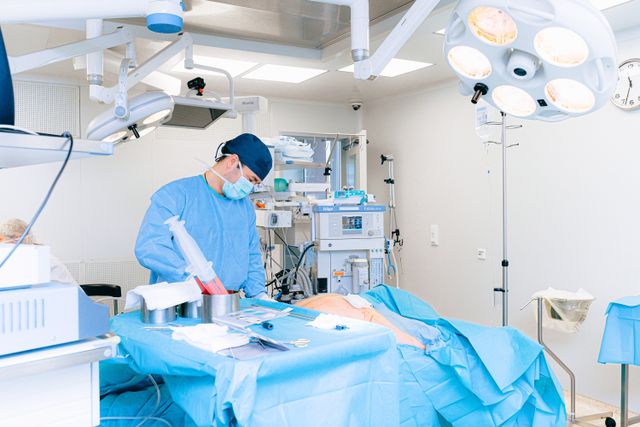
The actual operation to repair an ACL is done arthroscopically, using super small incisions and a camera to guide the way, and it all happens in a matter of hours. The surgeon drills tunnels in the femur and tibia to put the graft in place, right where the original ligament should be. Then they secure it using screws and small metal clips. Nine times out of ten, Melburnians are out of hospital within 24 hours. Most surgeons will put off an operation until the swelling has gone down and the knee is back to normal, rather than operate on someone whose knee is still achy and tight; the exact timing will depend on the severity of the injury and how the patient is feeling.
Why Rehabilitation Is the Longer Half?
Surgery gets the structure fixed but it is the rehab that gets the function back. And to be honest, that rehab takes a lot longer than most people expect. In the early days, the main focus is on getting rid of all that swelling, getting the knee fully extended and getting the muscle back to working right again. Getting back into running is not just about waiting a certain amount of time; it is about getting the fitness and strength back so that you can actually run without putting yourself at huge risk of another injury. Getting back into full contact sports can take anywhere between 9 to 12 months, which is a figure drawn from the research, not some arbitrary number. Fear of getting hurt again is a really common barrier to athletes getting back into competition, and if they rush back too soon without really getting their muscle control sorted out, they will be at much greater risk of re-injuring themselves. The stats are clear: re-injury rates go up when athletes rush back too soon.