
Commercial glazing has to do more than look clean and modern. In an active workplace it may separate teams, bring daylight deeper into the floor plan, protect an entry or help customers understand how to move through a space. The best choice depends on function, safety, visibility and maintenance. A design that works in a quiet office may be unsuitable beside a warehouse route or public counter. Looking at daily use first leads to glass that supports the business rather than becoming a fragile decorative feature that creates avoidable maintenance or safety concerns later during daily operation.
Map movement before choosing panels
When planning glass tullamarine businesses should begin with doors, queues, delivery paths and the direction people naturally walk. Large clear surfaces can increase openness, but they also need apparent markers and logical arrangement. Corners, thresholds and high-traffic zones demand extra care. A simple movement map helps highlight where glazing can assist circulation, where privacy is important and where impact issues may influence the design.
Match the glass to the location
Different applications may demand different safety, acoustic, privacy or security qualities. A shopfront, internal partition, shower screen and door panel do not accomplish the same task. Thickness alone does not describe the full system; frame, fittings, edge support and installation all matter. The choices should reflect applicable standards and the way the panel will be used, cleaned and exposed to temperature or weather.
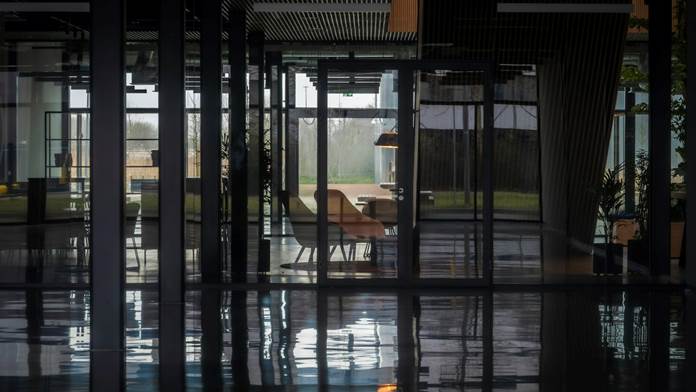
Use transparency with intention
Clear windows can help a workplace feel connected, but complete visibility is not always ideal. Meeting rooms, treatment spaces and staff areas may need partial screening by icing, film or patterned items. The idea is to balance light with attention and caution. Good design makes privacy predictable. People should not have to improvise with paper signs or temporary coverings after the space is occupied.
Plan for cleaning and replacement
Glass shows fingerprints, dust and traffic marks more than many solid surfaces. When panels are tall, close to furniture or above fixed features, consider access for cleaning. Standardised hardware and accurate records of original specification can help facilitate later repairs. A realistic installation takes into account typical wear and tear, rather than presuming the glass would be pristine when the job is finished.
check out the whole thing
The last check should be more than on the pane. Doors should close properly, seals and channels should fit snugly, and fittings should work without putting extraordinary stress on the glass. Manifestation markers and surrounding finishes should be complete as well. From the user’s perspective, when regarded as a whole, the assembly is integrated into the workplace and dependably does its job in everyday traffic.