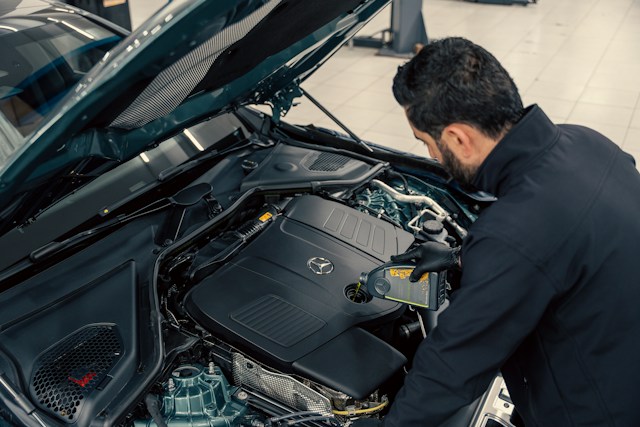
The dashboard lights up; however, the closest dealership is far away. For many years, drivers were not sure if an independent mechanic from their locality was able to diagnose and repair problems in contemporary cars. With increased reliance on electronics and software, information provided by the manufacturer has become very relevant. Since 2022, a national program has facilitated access to such information by independent workshops, and it has been beneficial to mechanics and motorists alike.
Rule That Improved Access to Information for Independent Workshops
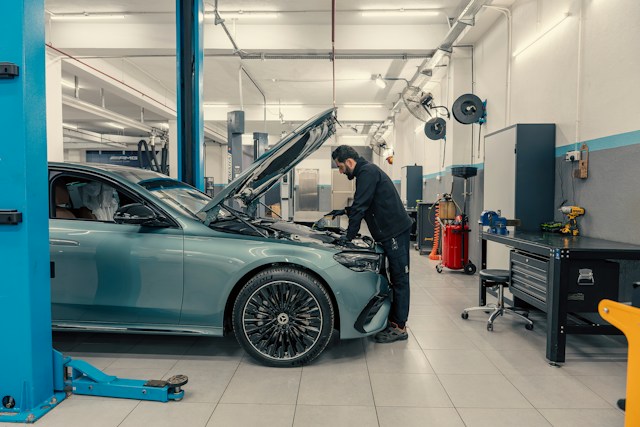
Since July 2022, manufacturers have been obligated to make information related to the servicing and repairing of automobiles available to independent repairers. It can be sold no more than at its fair market price, thus reducing prices as a factor of discrimination. Sometimes dubbed Australia’s first right to repair rule, it ensures better access to information by independent workshops, including a car mechanic Seaford drivers trust, and dealerships.
What the Government Found in Their Review of the Scheme?
The Treasury department published its review of the scheme back in February 2026, and it had some pretty positive results overall. The independent repair shops, the ones doing the actual repairs, were saying they were seeing improvements in their business, their productivity and their profitability. And even the drivers were coming out ahead, with more options to choose from. Apparently, the review found that the scheme was linked to a 6.7 per cent boost in repair shop turnover, which is a big deal, almost $2.4 billion in 2024 dollars over the course of a year.
But, and this is a pretty big but, just because we can see a link between the scheme and this increase in turnover, it doesn’t necessarily mean the scheme is directly responsible for the increase. The review points out that the scheme was launched just as the COVID restrictions were starting to ease, so it’s a bit tricky to pin down what’s cause and what’s effect. Also, the researchers couldn’t work out which individual shops were actually using the scheme to get information.
Why Having Access to Info Doesn’t Automatically Mean You Can Fix It?
Just because you’ve got the right to get that repair information, it doesn’t automatically mean that every repair shop’s got the kit or the know-how to use it properly. Treasury identified a few areas where things are still a bit fuzzy, like when you don’t know what you’re going to be charged, or when you need specialist tools to do the job, or even when electronic logbooks are holding people back without some extra regulation to help sort it out. It turns out that some of the information providers weren’t putting in the effort to meet their obligations either.
For drivers, the practical upshot is that some repair shops are more capable than others. A mechanic might have the skills and the tools to deal with some vehicles, but struggle with others. The good news is that the independent garages are still doing the day-to-day stuff like brake work and clutch replacements. It’s when you get into the more complicated electronic faults that the differences become more apparent.
The mechanics in Seaford, Carrum Downs and Langwarrin are competing on all sorts of factors: convenience, how much the driver trusts them, how many repairs they can handle. The scheme gives the independent shops the info they need, but ultimately it’s still up to each individual shop to figure out how to use it properly.

Questions to Ask a Workshop Before You Choose Them
- How do they actually get access to the repair info and software they need for the particular make and model of your vehicle?
- Will they give you a written quote before they start the work, and what happens if some extra repairs need doing?
- What kind of replacement parts will they use, and what warranties apply to the parts and the labour?
- If the problem comes back, who pays for a second look, and how soon can you get back in for another inspection?
Logbook servicing can be a useful test of a workshop, because it combines routine maintenance with access to special service info for your vehicle. A good mechanic should be happy to answer these questions for you, and their explanations can be way more useful than just looking at some fancy advertising claims. In fact, if their answers leave you feeling a bit uncertain, that might actually be a pretty useful way to help you figure out if they’re the right choice for you. When the next warning light comes on, you might need to think more about which mechanic is capable of explaining the problem and what to do next, rather than just picking the nearest garage.