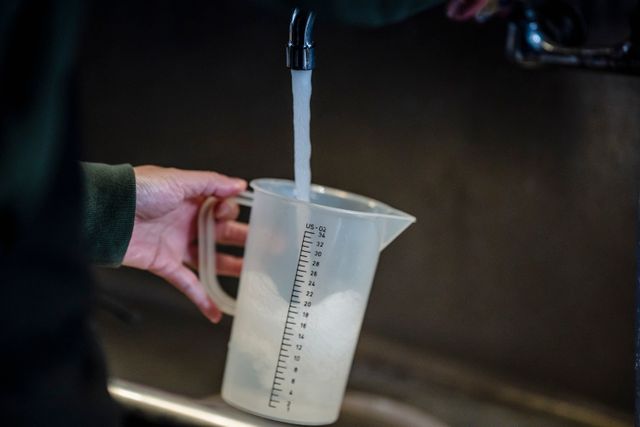
Sydney Water meets the Australian Drinking Water Guidelines, or at least it does according to the paper. But the reality is “water filtration installation in Sydney” is one search term that’s getting quite a few hits and that’s because there are genuine concerns about the taste & odour of the water in this city. Taste & odour complaints are all too common, especially in areas still using older pipes where chloramines linger around. Now, chloramines are used in some parts of the system because they last longer than chlorine; but they can also be a bit of a pain to get rid of, and they tend to leave behind a sharper chemical taste.
And then there’s the sediment issue. If you live in an older suburb like Newtown or Glebe or Erskineville you might find that the ageing cast-iron mains pipes are giving you a bit of a problem. It’s especially bad after a pressure fluctuation, and it’s no wonder many people are concerned. Sydney Water’s treatment plants produce clean water, but what happens between there and the kitchen tap depends a lot on the state of the pipes in between.
Water quality isn’t always what you’d expect in Sydney. If you live right next to the treatment facility, you’re probably going to have fewer problems with taste than people living right at the end of the distribution loop. And if you’re one of the many households that relies on tank water as a supplement well, that’s an entirely different kettle of fish, as it introduces a whole new set of worries about microbial risk.
The Types of Filtration Systems Sydney Homeowners Are Choosing
So what kind of water filtration system are people in Sydney turning to? Well, for a lot of households an undersink filter is the way to go. They’re compact, relatively affordable, and they target the most important tap for drinking and cooking. They can be connected in the cabinet below the sink, and most of them use activated carbon block cartridges to remove chlorine, chloramines and sediment.
Whole-house systems, on the other hand, install right at the mains entry point and protect all the taps in the house. They’re a good option for households where water quality concerns extend to more than just the drinking water like showering or using appliances that get affected by limescale. The thing is though, you need to get the flow rate right, or you might find that it drops the pressure in multi-bathroom homes.
Reverse osmosis systems go one step further by removing a much broader range of dissolved solids, heavy metals and chemical compounds. In fact, the standard recommendation these days is a 5-stage to 7-stage RO unit for people living near former industrial sites with documented PFAS concerns. UV filters work in a totally different way they target bacteria rather than chemicals and they’re most useful for households on rainwater tanks or bore feeds. Then you’ve got the growing category of water chilling and sparkling dispensers that are becoming a popular addition to kitchen fitouts these days people are basically swapping bottled water for this at home. Whatever type of filtration system you choose though, the most important thing is that it’s WaterMark certified and that the installation is done by a licensed NSW plumber and that’s not optional, by the way. Noncompliant plumbing connections can affect your insurance and cause liability issues when you sell. Water filtration installation Sydney is definitely something you want to get right, with NSW Fair Trading making it very clear what’s required.
What the Installation Process Actually Involves?
Undersink units usually take anywhere from an hour right up to two hours to fit including hooking up to either an existing tap or a brand new one. The plumber will shut off the cold water supply, then attach the filter housing right into the line, run a separate line to the dedicated filter tap, and get the system up and running with a flush to get rid of any debris stuck in the new cartridge. Whole house systems require turning off the mains water supply and you might need a bypass valve so that you can service the filter without cutting the water to the whole house. After the install is done you can have your water tested by one of several Sydney labs which can give you a clear idea of just what your brand new system is pulling out, and is super useful for people who are worried about contaminants in their water.
Keeping the cartridges replaced is the ongoing part of the deal. Under-sink carbon blocks usually last anywhere from 6 to 12 months depending on how much water you’re using and what kind of sediment is in the local water. RO membranes last a bit longer at 2 to 3 years, but the prefilter cartridges in multistage systems need replacing a bit more often. Being upfront about replacing costs when you’re doing the initial maths means you won’t get any nasty surprises.
Cost Realities and Long-Term Value
Fitting an under-sink water filter in Sydney will set you back anywhere from $350 to $900 all told, depending on what system you go with and the plumber’s hourly rate. RO systems sit right in the middle at between $900 and $1800 installed for most residential installs. Whole house systems are the big ticket item, with prices ranging from $1000 to $4500 depending on the flow rate, how many filter stages you need, and whether you want a bypass valve and separate postfilter tap. If you’re currently spending $50 to $80 a month on bottled water you can usually recoup the cost of an under-sink filter within 12 to 18 months.
The money you save on not having to buy bottled water is the tip of the iceberg, appliance protection is a financial benefit that doesn’t get talked about enough. Scale and sediment in the water can wear down your hot water system, dishwasher and coffee machine in no time. A whole house filter that gives your $1200 hot water unit a few extra years of life is worth it even before you factor in the benefit of having clean drinking water.
Choosing the Right System for Your Sydney Home
First off, a water quality test specific to your local area is a good idea if you’re concerned about specific contaminants especially for people in suburbs near old factories in western Sydney who might have PFAS issues. For most people on mains water in Sydney an under-sink carbon block filter or a 5 to 7-stage RO system will cover all the bases. When choosing a flow rate for your system remember that bigger households need a bit more capacity, families of five on a whole house system need more than a couple in an apartment.
Make sure you check the plumber has an active NSW licence before you even think about accepting a quote. When you’re looking at quotes make sure the system is WaterMark certified and ask for a spec sheet that tells you what it actually removes, not just some brand name. Get a detailed quote that breaks down the unit cost, the installation labour, the cost of the tap if you need one, and how much a replacement cartridge will cost. Visiting the showroom and getting supplier-backed systems with local service teams is a good idea for big-ticket installs.