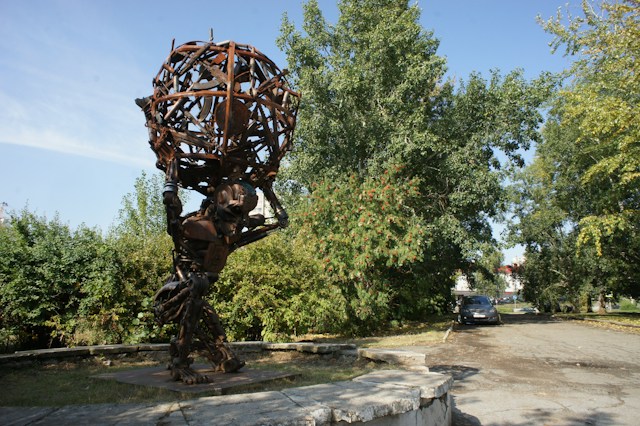
Whereas a metal sculpture will have smooth edges, a consistent colour and a good finish when it exits the workshop, after spending two years outside, it will develop a warm brown coating, mark its surroundings, or become dull due to exposure.
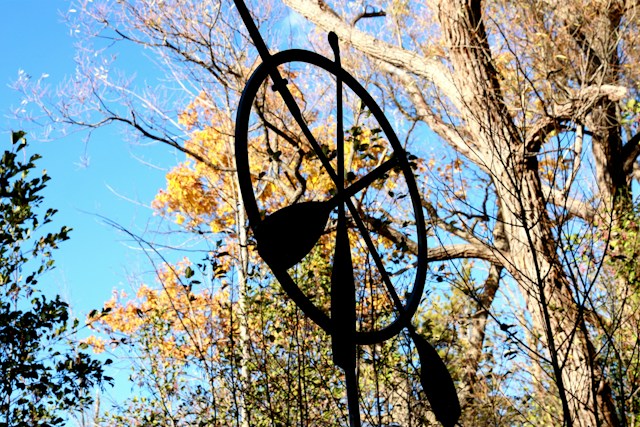
Effects of Last Year’s Weather Conditions on Metal Sculpture
In accordance with the Bureau of Meteorology, 2025 was warmer and drier than average in the state of Victoria. Rainfall recorded in 2025 was 544.6mm, which is 18% less than the average recorded between 1961 and 1990. The mean maximum temperature in 2025 was 21.1°C, making it the ninth warmest year since 1910.
The rainfall recorded at Melbourne’s Olympic Park was 572.0mm, which was very close to the average rainfall. The maximum temperature recorded was 39.8°C in January, whereas the minimum temperature was 10.1°C in June. Such temperatures make metal garden sculptures Melbourne expand and contract.
Three Ways Metal Sculptures Change Over Time
Different metals do things differently as they get older, which can give them a unique look in the garden.
- Painted steel will keep its finish looking clean for a long time, but when it gets damaged you have to keep an eye on it before water seeps in and starts to cause problems.
- Bare iron and mild steel slowly start to take on a warm brown patina that lots of people actually like.
- Weathering steel, often just called Corten, is supposed to get a protective layer of rust that stabilises over time.
Now weathering steel needs just the right conditions for this to happen. These sculptures usually develop the best rust layer when they get regular wet and dry periods to go through. But you’ve got to be aware that all that water can run off and stain the surrounding paving or walls. If you’re in a really damp area or have a lot of salt in the air, then it can get a bit tricky. Rather than relying on general advice, it’s probably better to get the maker to tell you how they think one of their sculptures will do in the specific spot you have in mind.
Wax, oil and other clear protective coatings can slow down the changes, but nothing can completely stop it. Asking the maker what finish was used and any tips for keeping it looking good can stop all sorts of problems later on.
What Museums Have Learned About Looking After Outdoor Sculptures?
Galleries also deal with the effects of the weather on their outdoor sculptures. A recent five-day workshop for conservators at the National Gallery of Melbourne looked at caring for painted outdoor sculptures. Homeowners don’t need to be experts like conservators, but the principle is the same: outdoor artwork needs looking after; it can’t just be chucked out there and forgotten.
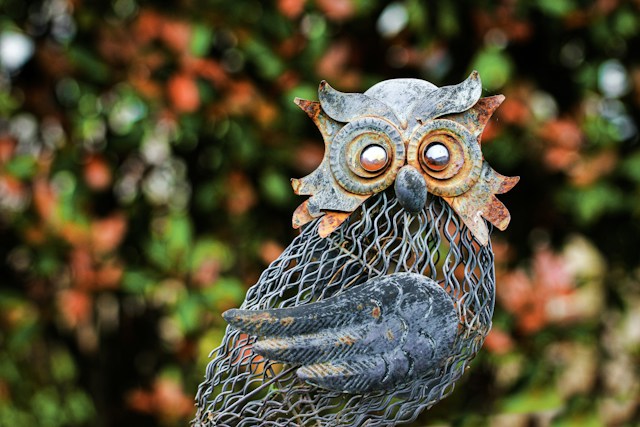
Positioning, Installation & Doing the Annual Check
Getting the positioning right can make a big difference to how long a sculpture lasts. If the metal gets stuck in a puddle or is touching damp earth all the time, then it’s going to deteriorate quickly around the base.
- Keep it away from standing water and damp earth.
- Make sure tall, thin sculptures have a solid foundation; Melbourne’s wind can be pretty harsh.
- Choose stainless steel or galvanised screws to keep the rust from the bolts from staining the surrounding walls.
- Make sure there’s some space between the metal and any plants around it; wet leaves can hold on to water against the sculpture for days.
Just a quick annual check and a bit of cleaning are usually all it needs. Give it a good wash with a soft brush, check the joints and repair any holes in the coating. 15 minutes of maintenance and it will keep looking great for years to come. If you look after it properly, then the changing metal surface will start to look like it’s supposed to be that way, even as the weather starts to change the finish.