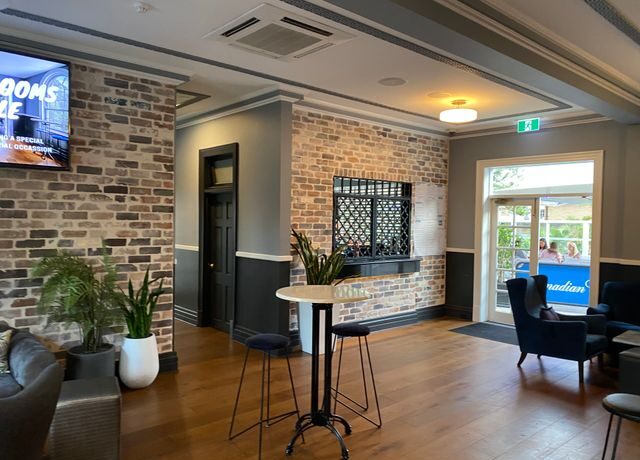
The service choreography starts in the reality of everyday life in busy places where tables and chairs form the movement of the staff. Melbourne hospitality operators planning a floor that works at peak service often adapt around small inconveniences until the pattern becomes hard to ignore. In this context, rather than using it as a dramatic conclusion, it is more useful to know why furniture choices affect turn times, comfort and the path between kitchen and guest. Restaurant furniture is part of the service choreography. Looking closely at what changed, when it changed and what influences creates a calmer basis for deciding what deserves attention first.
The most useful observations when starting are table spacing, chair weight and cleaning routines, as restaurant furniture is part of the service choreography. These details give Melbourne hospitality operators considering a floor that operates at peak service a clearer way to describe the situation and help distinguish between a one-off event and something recurring. Furniture in restaurants is part of the service choreography, the aim here is not to have a ready made answer but to have enough real world information so that the next conversation is specific rather than generic.
Scheme from the Rush Hour
Hospitality furniture melbourne takes on a new meaning when a request is tied to reasons why furniture decisions impact turn times, comfort, and the space between kitchen and guest. For Melbourne hospitality operators designing a floor plan that works during peak service, In restaurant furniture is part of the service choreography, but the practical question is how accessibility fits with the surrounding conditions and the outcome the client really wants. Within restaurant furniture is part of the service choreography, a useful first discussion should explain what will be observed, what remains uncertain and which choices can wait until the situation is understood more clearly, rather than assuming every case needs the same response.
Path Test Between Tables
Restaurant Furniture Is a Part of the Service Choreography Table spacing is a checkpoint, not a finish line. It’s a matter for the chair weight as well as for the chair, because the two details might have an easy-to-miss interaction when considered separately. Including cleaning routines in the same review builds a stronger base for the decision. The arrangement of restaurant furniture is part of the service choreography. This sequence keeps urgent concerns visible, while preventing the distraction of smaller refinements from the main purpose of this particular task.
The next stage of restaurant furniture is part of the service choreography is to put accessibility next to why furniture choices affect turn times, comfort and the path between kitchen and guest and ask if the original plan still works. That comparison can expose a constraint, preparation step or alternative that was not obvious at the start for hospitality operators designing a floor that works at peak service. Restaurant furniture is part of the service choreography but it also offers a sensible moment to adjust the sequence before time, money or effort are committed to a direction that no longer fits the evidence collected for this situation.
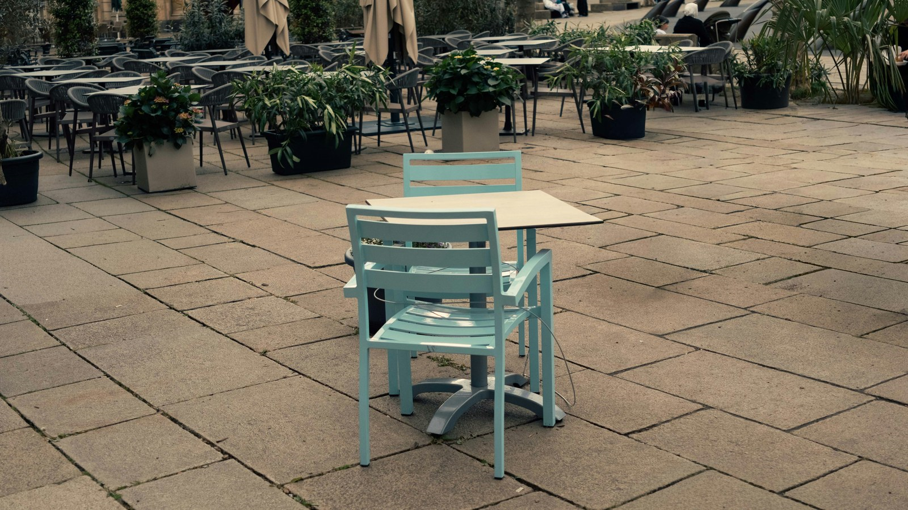
Select Surfaces to Repeat
The clarity and lasting value of restaurant furniture is part of the service choreography. For Melbourne hospitality operators designing a floor that works at peak service, a simple log of table spacing, chair weight, cleaning routines and any follow-up involving accessibility gives future decisions a reliable point of reference. Since placement of tables and chairs in crowded venues can affect staff movement, conditions may change and new people become involved subsequently so good work will give enough context so that the next discussion can start based on evidence rather than memory. A piece of the service choreography is within the restaurant furniture, that’s how a one-off decision becomes easier to maintain and revisit.