Hot water systems have become a very necessary component of the modern living. They bring comfort and convenience, in the morning showers and cleaning dishes after dinner. However, among the different options, what makes you decide the most suitable one to use at home? There are advantages and factors attached to every system. These differences might assist you in making a good choice that suits your needs.
You will get confused with various alternatives on how to go about your new home by including such options like tank-based systems and solar solutions. Fear not! What this guide does is to de-juranize every category of hot water system so that you can locate the most suitable to fit your lifestyle and budget. Let’s dive in!
Traditional Tank-Based Hot Water Systems
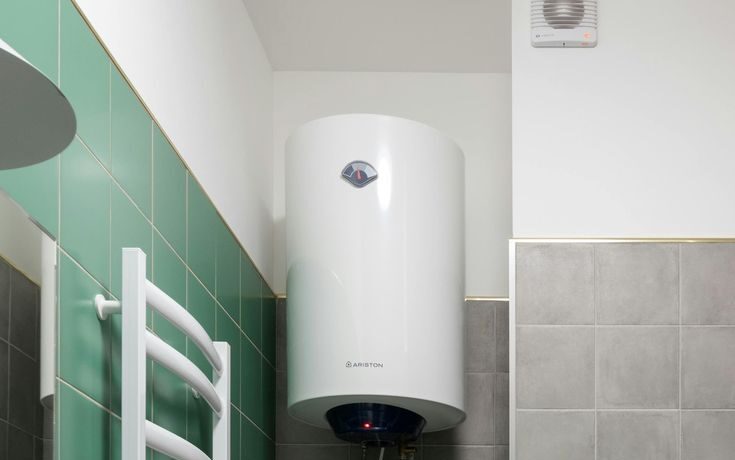
Hot water systems of traditional tank type are commonplace in most of the houses. They are giant storage tanks where the water is stored and heated to be used on a daily basis. These systems work by heating the water to a given temperature and then it is available at all times.
Tank-based systems have the capacity as one of their advantages. They have massive storage capacity of hot water and hence can be used in homes where the demand is high. This, however, is also the case that implies that they consume large space that may be a problem in smaller houses.
When choosing or upgrading a hot water system, it’s important to weigh space requirements, energy consumption, and household usage patterns. For expert guidance, comparisons, and solutions tailored to Australian homes, you can explore options at Hot Water Boss or visit hotwaterboss.com.au/ to learn more.

Tankless/Instantaneous Hot Water Systems
The modern solution to on-demand hot water is tankless hot water systems also referred to as instantaneous systems. The difference is that unlike the traditional tanks which hold hot water, these units heat the water as it passes through the system.
This implies that you have unlimited supplies of hot water that you do not have to wait until a tank fills up. They are miniature in size and could be mounted on the wall and hence they fit well in smaller areas where every inch matters.
The installation is normally easy but can involve the process of modifying the available plumbing or electrical systems. The other notable benefit is energy efficiency; they do not use energy when nobody is at home and therefore, home owners usually experience lower power bills than traditional systems.
Also most of the models have longer lives compared to the tank ones. The reduction of maintenance and the number of replacements will lead to a more sustainable option in the long term. All of this contributes to the growing popularity of tankless options among the more eco-conscious consumers who are searching to have the reliable performance without compromising.
Heat Pump Hot Water Systems
Heat pump hot water systems are a new product that can be used by people who want to be efficient. They are very efficient in saving energy because they utilize electricity to pump the heat in the air or the ground to warm your water.
Among them is the fact that they are capable of working in different climates. They are capable of getting warmth out of cold air so that you would have a steady supply of hot water all year round.
The installation may also take up more space than the traditional models, and it can pay off in the long run by saving many homeowners. They have a lower cost of operation, and less negative impact on the environment, which is why they gain popularity.
It is also a comparatively easy process to maintain, and regular check-ups are taken to make sure that they operate at their best over the course of their life. To eco-aware consumers who seek sustainable solutions, the heat pump systems provide a chic choice that meets the tenet of green living.
Solar Hot Water Systems
The solar hot water systems utilize the strength of the sun to make your water hot. They will include solar collectors, which harness sunlight and transform it to thermal energy. This energy can then be used to warm up the water conserved in the tank.
These systems are able to save energy bills seriously in the long run. You will reduce your carbon footprint by using renewable energy as well. This is attractive to many home owners with the increasing environmental concerns.
Installation can be complicated and in this case, innovations have allowed an easier access than ever before. There are plenty of different versions of systems with flat-plate panels up to evacuated tubes depending on the demands and funds.
Although they only are effective in sunny climates, they can be useful even in the less sunny areas with appropriate setup. There are also some models that have backup heating facilities in case it is a cloudy day or the demand is high.
By investing in a solar hot water system, one is not only adopting sustainability, but also having a stable supply of hot water all year round.
Hybrid/Integrated Hot Water Systems
Hybrid hot water systems use various technologies to maximize efficiency and performance in energy. They normally combine a heat pump to a conventional tank system or solar panels which form a flexible solution to households.
These systems make use of renewable energy sources and electricity, which minimizes the use of fossil fuels. During the sunny days they can use solar energy and use the heat pump on a cloudy day or on a peak demand hour.
Installation can also be more complicated than the standard systems because of extra parts. Initial costs are usually however overridden by long-term utility bill savings.
The other benefit of hybrid models is flexibility. The homeowners have the opportunity to set the settings to suit their needs so that they have the availability of hot water without wasting it.
Hybrid hot water systems present an attractive combination of the latest technology and environmental sustainability because of the increasing interest in environmental issues. They are not only implemented to maximize the current comfort but also to be resilient in the future in the case of changing climates.