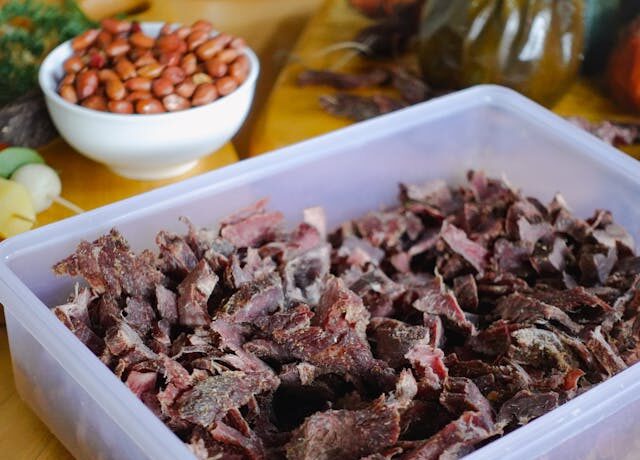
Originating in Southern Africa, biltong is a traditional dried beef delicacy that has been consumed for centuries. This preservation technique was historically created by early settlers and indigenous cultures as a means of preserving meat for extended travel times and periods of time without refrigeration. They produced a tasty and durable food supply by curing and air-drying meat with a concoction of salt, vinegar, and spices.
Strips of meat, usually beef, are marinated in a mixture of vinegar, salt, coriander, and other spices before being let to air dry gradually. This process gives it a unique flavour and consistency that distinguishes it from other dried pork treats.
Biltong is usually air-dried over a few days, in contrast to some other preserved meats that are cooked or smoked. The meat’s rich flavour and soft texture are preserved thanks to this method. The end product is a tasty, convenient, and fulfilling snack.
Biltong is frequently consumed as a snack at get-togethers, sporting events, and outdoor activities. Over time, it has become a cultural mainstay in many homes.
The Reasons Behind Australia’s Growing Interest in Biltong
Biltong has been more well-known in Australia in recent years as more people learn about its distinct flavour and health advantages. Biltong has made a name for itself in the Australian snack sector because of rising demand for high-protein snacks and healthier substitutes for highly processed foods.
Because biltong is often low in carbs and high in protein, it can be accommodated to a variety of dietary preferences, which is why many Australians enjoy it. Biltong is a popular and easy snack choice for athletes, fitness fanatics, and those on low-carb or high-protein diets.
Australia’s diverse culinary culture is another element boosting its appeal. Unique items like biltong are increasingly available in supermarkets, specialty food stores and internet sellers as communities from many origins share traditional meals.
Additionally, the snack fits in nicely with Australian culture. Biltong is a convenient and filling snack that doesn’t need to be refrigerated, making it ideal for road trips, hiking excursions, and camping vacations.
The Production of Biltong
A number of meticulously regulated procedures are involved in the biltong-making process to guarantee that the meat acquires the proper flavour and texture. Choosing premium cuts of beef or other meats, such venison or game, is typically the first step.
After being chopped into long strips, the meat is marinated in a concoction of salt, vinegar, and spices. One of the most popular spices in traditional biltong recipes, coriander adds a unique flavour and scent.
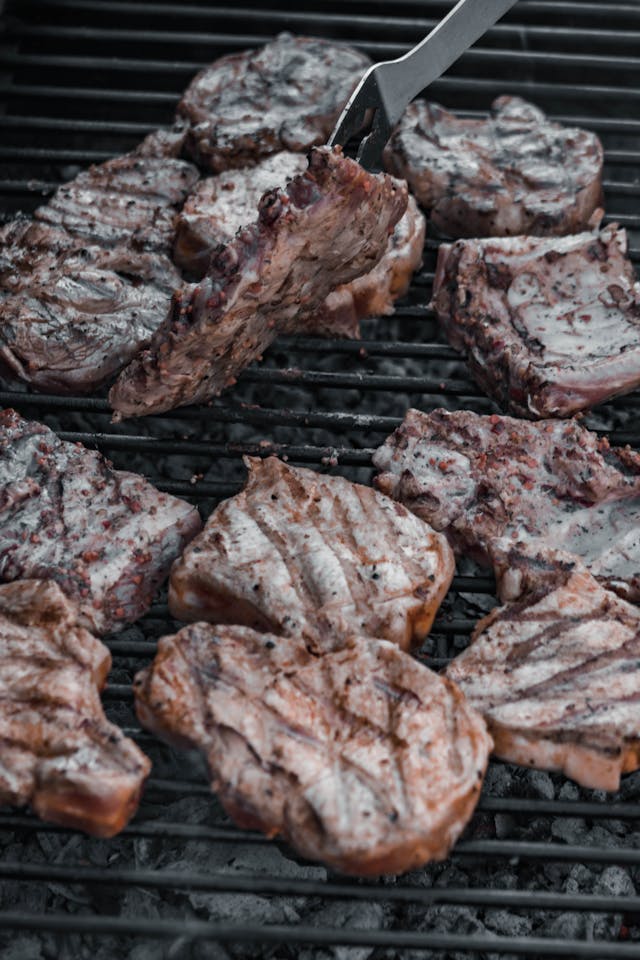
The pork strips are marinated before being hung to slowly air-dry in a well-ventilated environment. Usually taking a few days, this drying process gives the meat its distinctive texture. Depending on temperature, humidity, and individual dryness preferences, the precise drying time may change.
Biltong is mostly made by air drying and curing, as opposed to jerky, which is typically fried or smoked. Its fuller taste profile and softer texture are a result of this distinction.
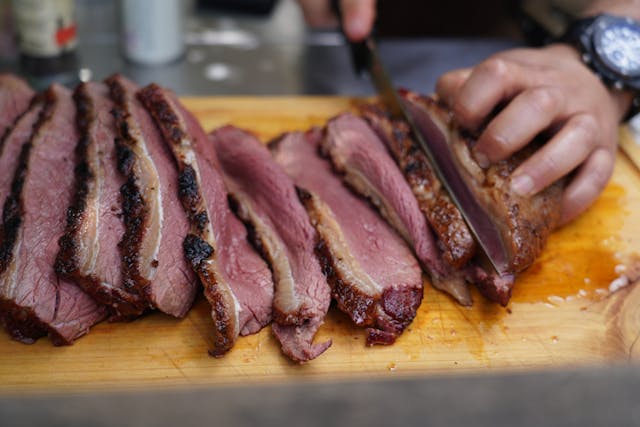
Depending on how it will be served, the biltong can be left in bigger cuts or chopped into fine pieces after drying.
How Biltong Is Now Enjoyed by Australians
In Australia nowadays, there are numerous ways to eat biltong. Although it is frequently consumed as a snack on its own, it can also be added to a number of different recipes.
Sliced biltong can be used as a topping for baked potatoes or pizza, or it can be added to salads for extra protein and flavour. It can also be served with various cured meats, crackers, and cheeses in charcuterie boards.
Additionally, food manufacturers have experimented with biltong’s tastes and variants. Those who like strong flavours have learned to love spicy, garlic-infused, and even chilli-seasoned variants.
Finding high-quality biltong products is now simpler than ever for Australians because of local markets, speciality butcher shops and internet merchants. More people are learning why this classic food has been a beloved for decades as awareness of it keeps rising.
Biltong has earned a home in Australia’s varied and changing culinary culture thanks to its rich flavour, straightforward ingredients, and handy shape.