Many Australian families have swimming pools, which they use in the summertime for cooling off and which also give kids a place to play and learn water skills. At the same time, pools create risks without security, and children may fail to recognise water danger, which causes worry among parents. Childproofing a swimming pool goes beyond what the regulations require, as it is aimed at creating a safe environment in which kids may enjoy the activity without risk.
Parents must take early action and manage the pool area so safety remains the main focus during design and maintenance work. Following laws and guidelines in Australia forms a central part of pool safety and helps parents feel reassured through structure. Australia requires pool owners to meet standards that lower drowning accidents and support family safety awareness. Standards for this are in place for fencing, gates, and all components will perform as expected over time. A swimming pool safety inspection in which we identify hazards and ensure that the pool area is in code compliance.
Secure Pool Fencing and Gate Systems
Childproofing a swimming pool starts with fencing and gate installation, and this step creates a sense of responsibility for parents managing pool access. Australian regulations require pools to have a barrier that separates the pool area from the rest of the property without exception. This barrier must reach 1.2 metres in height and contain no gaps that allow a child to pass through or climb across. Gates must operate with self-closing and self-latching functions, which ensure closure occurs after every single use. Parents should test gate mechanisms often to confirm correct operation, because faults can weaken safety and increase concern. Keeping the fence area free from chairs, toys, or garden equipment limits climbing access and supports control. A fence and gate system under regular care acts as the first defence against unintended pool entry.
Pool Covers and Alarms
But when it comes to pool safety, it’s not just about the fencing; a good pool cover can be a lifesaver when the pool’s not in use. Just make sure the cover is sturdy enough to take a person’s weight and fitted properly so as not leave any gaps. Then there are pool alarms, which detect movement in the water or alert you when the gate gets opened and while they can’t replace a proper barrier, they can give you a vital few minutes to react in an emergency. If you’ve got a kid who’s prone to getting into mischief or is just naturally curious, combining covers, alarms and fencing will really give you an extra layer of security.
Teaching Water Awareness and Keeping a Watchful Eye
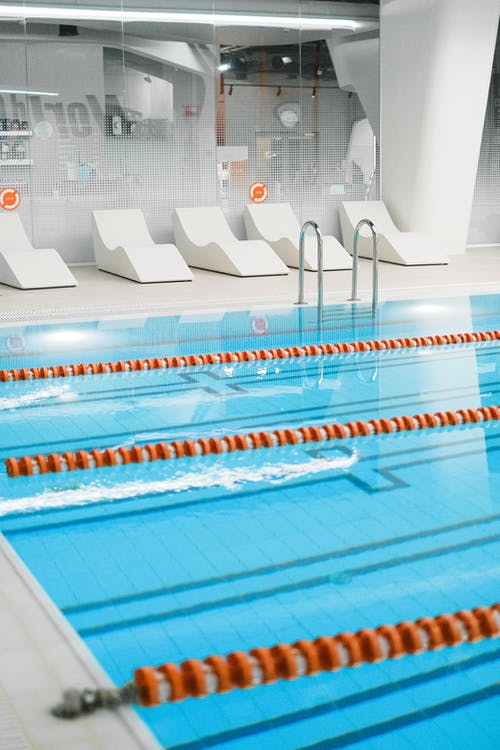
Childproofing a pool is not just about putting up walls; it’s also about making sure your kids understand the risks. Get them learning about water safety from a young age and it’ll sink in that they need to be careful. Signing them up for swimming lessons is great, but it’s not a substitute for keeping a close eye on them, no matter how confident they get in the water. You need to be there, in the room, and not be distracted by your phone or chores. It’s all about creating a culture of safety around the pool, not just in the pool.
Creating a Safe Poolside Space
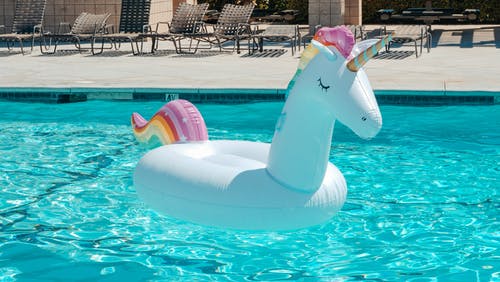
The space around the pool is just as important as the pool itself when it comes to keeping your kids safe. Slippery surfaces, sharp edges, loose equipment. It’s a whole minefield. Make sure the pool deck is non-slippery and keep it clear of clutter and the same goes for toys and inflatables. Make sure electrical equipment is safely out of reach, and even think about the garden design, a few thorny plants or hard surfaces can be a nasty way to fall.